User research
Conducted visitor behavior studies, wayfinding pain-point analysis, and contextual inquiries at the museum.
An AR-powered museum tour app designed to transform how visitors experience the Golestan Palace. Using augmented reality and smart navigation, we help visitors discover history without feeling lost.
Mobile app concept AR experience
Conducted visitor behavior studies, wayfinding pain-point analysis, and contextual inquiries at the museum.
First-time visitors to the Golestan Palace often feel lost in its grandeur. With no clear guidance, they're left wondering: Which buildings should they explore? How much time will it take? What stories do these walls hold?
The sprawling complex, with its maze of paths and lack of clear signs, leaves visitors wandering aimlessly. For those with little knowledge of history, the experience feels flat—just rooms filled with artifacts from another time. The magic of stepping into the past remains out of reach.
Help visitors navigate the museum efficiently without wandering aimlessly or missing key exhibits.
Help visitors imagine historical events better through AR reconstructions and contextual storytelling.
High-fidelity final UI screens from the AR Museum Tour app case study, showing key journeys across home, map navigation, place details, and today's picks.
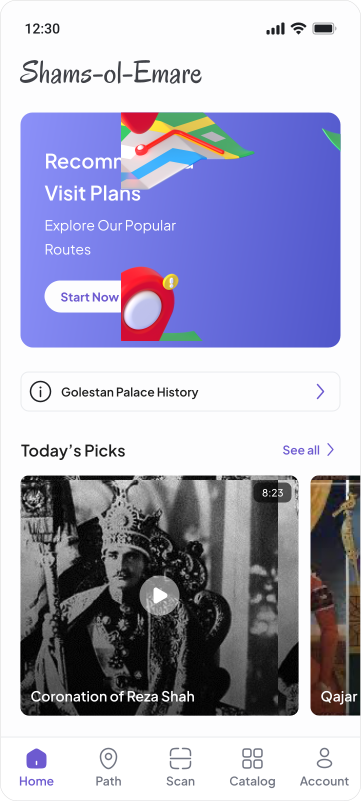
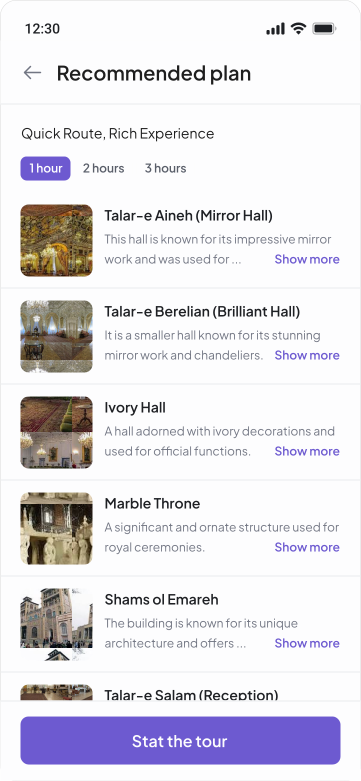
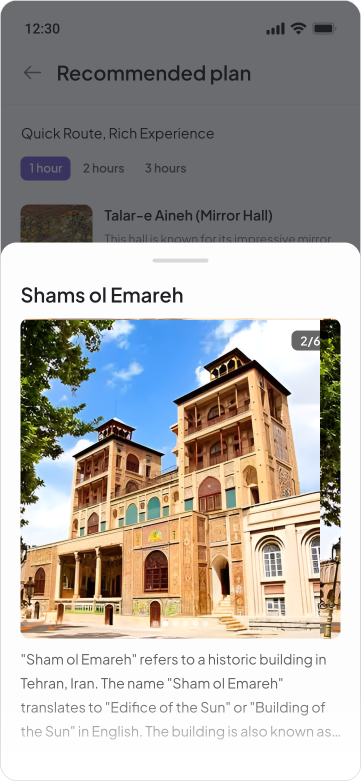
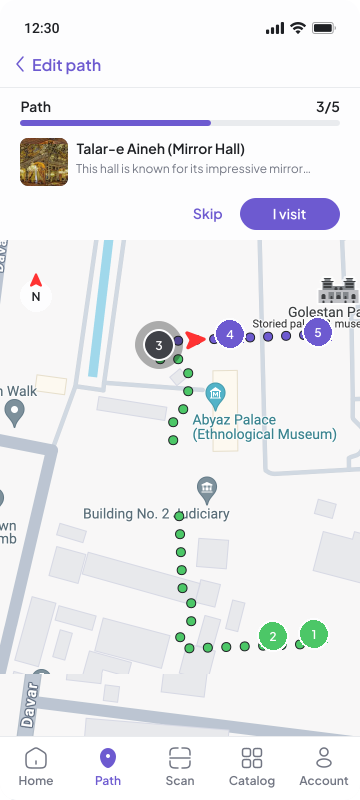
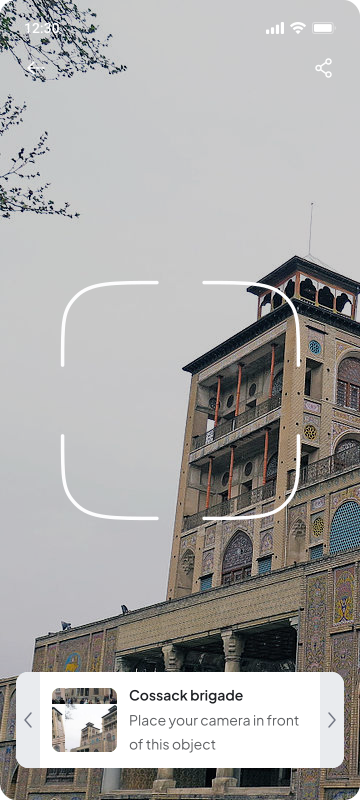
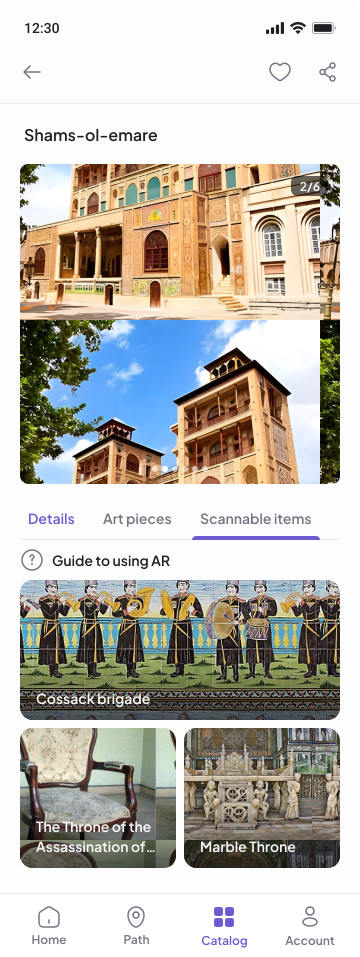
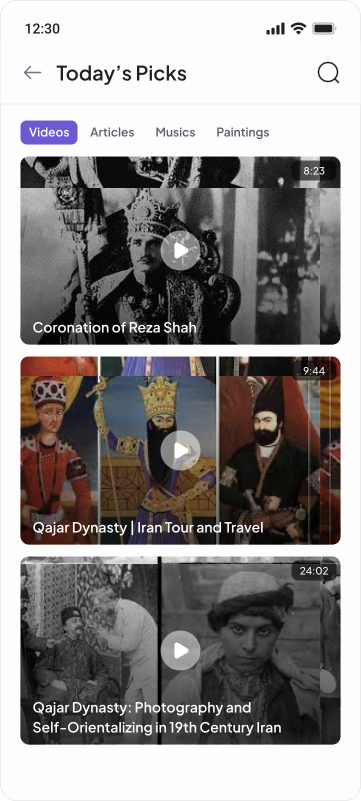
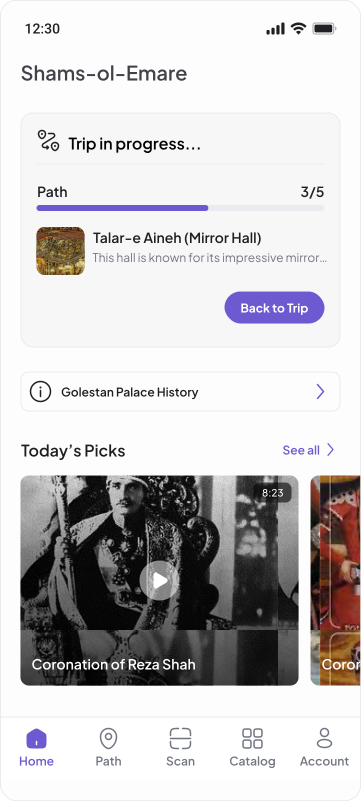
Live prototype walkthrough demonstrating the AR experience at Golestan Palace: painted Qajar soldiers trigger an immersive scene with historical audio from a classic former Iranian national anthem.
Plan your visit by setting duration and pre-selecting tour paths for a tailored experience.
Explore curated event anniversaries and articles for a deeper connection to history.
Scan landmarks to bring history to life through Augmented Reality reconstructions.
Competitor analysis of similar museum and AR tourism apps.
Project goals and unique features based on research insights.
User flows and information architecture for AR-enhanced navigation.
Wireframes and final high-fidelity design across 40+ screens.
Usability testing and future action plan for iteration.
Complete flow ready for implementation in the Golestan Palace context.
Structured navigation paths that reduce wandering and confusion.
AR features that amplify the historical experience without overwhelming.
In cultural experiences, technology should amplify place, not compete with it. The most valuable AR interactions are lightweight and contextual—orientation first, depth second. Utility and calm interaction patterns matter most when visitors are trying to absorb a physical environment.
Full case study on Behance · Figma presentation